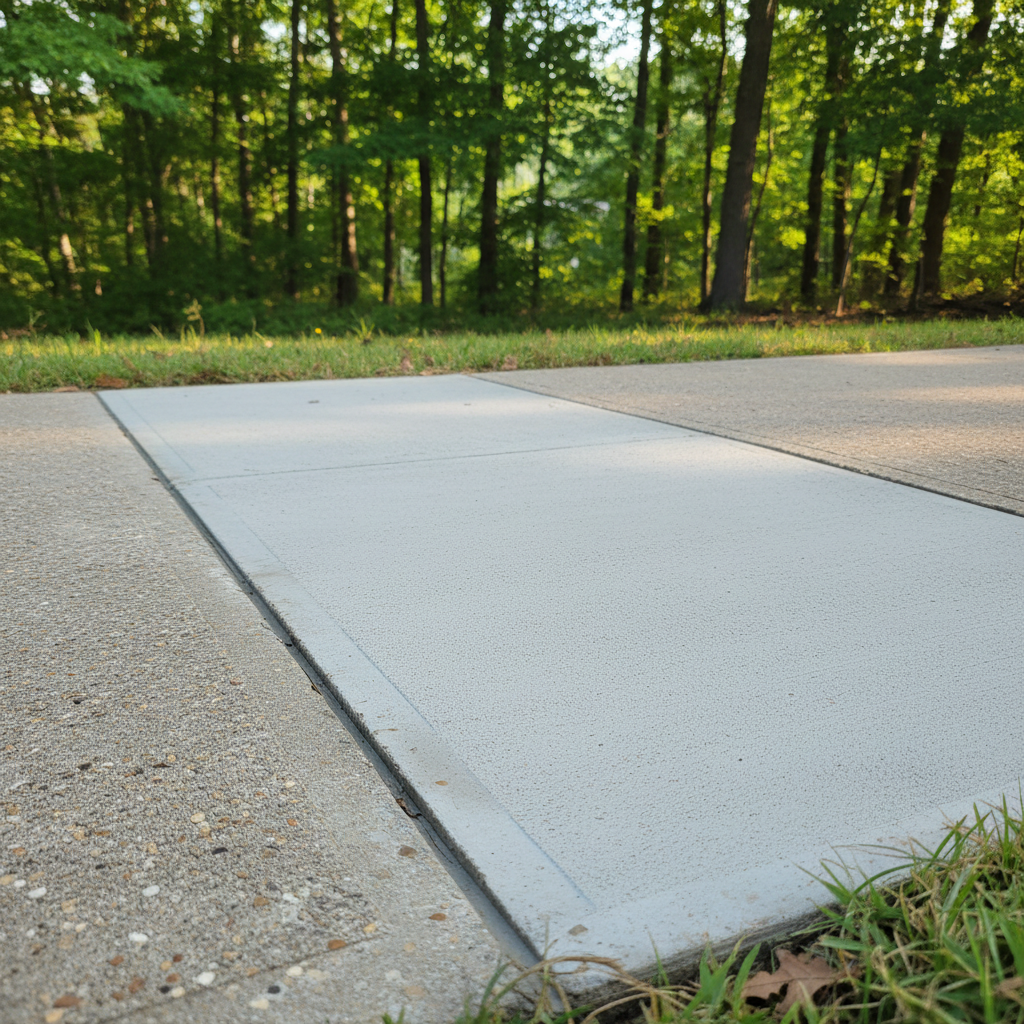
Your concrete's seen better days, huh? Maybe it's a crack snaking across your driveway, a crumbling step, or a patio slab that's just not sitting right anymore. It happens to everyone, especially with our freeze-thaw cycles here in Sevierville. The big question is always, "Can I fix this myself, or do I need to call someone?" Let's break it down.
Before You Grab a Trowel: What's the Damage?
First things first, you've got to figure out what you're dealing with. Not all concrete problems are created equal, you know? Take a good, close look at the damage:
- Hairline cracks: These are usually pretty shallow, barely wider than a credit card. They're often just surface shrinkage cracks and generally aren't a structural concern.
- Wider cracks: If you can stick a dime or a quarter in there, you're looking at something more significant. These can let water in, which leads to bigger issues down the road.
- Crumbling or spalling: This is when the top layer of concrete starts flaking off or disintegrating. It often happens because water freezes in the concrete's pores, or sometimes from poor finishing.
- Sinking or uneven slabs: This is a whole different beast. If a section of your driveway or sidewalk has dropped, that's usually a sign of soil settlement underneath.
- Potholes or deep divots: These are common in driveways that see a lot of traffic or heavy vehicles.
Once you've got a handle on the type of damage, you can start thinking about how to fix it.
What You Can (Probably) Do Yourself
For the smaller stuff, you can absolutely tackle these projects yourself. You'll save some money, and honestly, there's a real sense of accomplishment. Just make sure you follow the product instructions to the letter.
- Hairline cracks: A good quality concrete crack filler or sealant is your friend here. Clean out the crack thoroughly – and I mean really clean, no dirt or loose bits – then apply the filler. Many come in a caulk tube, which makes them super easy to use. This is more about keeping water out and making it look better than structural repair.
- Small potholes or divots (less than 1 inch deep): For these, a vinyl-reinforced patching compound works well. You'll need to clean out the area, chip away any loose concrete, and then prime it if the product recommends it. Mix the patch according to instructions (it's often a dry mix you add water to), then trowel it into the hole. Make sure it's slightly mounded, then level it off. Cure it properly, which usually means keeping it damp for a few days.
- Minor spalling: If it's just a small area, you can sometimes chip out the loose bits and apply a thin layer of a concrete resurfacer or patching compound. The key here is good prep and a thin, even application.
Remember, the success of any DIY concrete repair hinges on proper preparation. Clean, clean, clean! Remove all loose debris, dirt, and oil. A wire brush and a good rinse with a hose, then letting it dry completely, is usually the minimum.
When to Call Omega Concrete (or Another Pro)
Look, I'm all for homeowners getting their hands dirty, but there are definitely times when trying to DIY a concrete repair is just going to lead to more headaches and wasted money. Here's when you should pick up the phone:
- Wider cracks (over 1/4 inch) or structural cracks: If a crack runs through an entire slab, or if you see a pattern of cracks that suggests movement, that's a job for a pro. We can assess if it's just settlement or something more serious, like a foundation issue. Trying to patch these yourself is usually a temporary fix that won't address the root cause.
- Sinking or uneven slabs: This is almost always a sub-base issue. Simply patching the crack on top won't fix the fact that the ground underneath has shifted. We've got techniques like mudjacking or slab jacking (we inject material under the slab to lift it) that can correct this without having to tear out and replace the whole thing. It's a specialized skill, and you don't want to mess with it yourself.
- Extensive crumbling or spalling: If a large section of your patio or driveway is flaking apart, a simple patch won't cut it. You might need a full resurfacing or even a replacement. We can properly prepare the surface and apply a durable overlay that will last.
- Damage near your home's foundation: Any concrete issues close to your house's foundation should be looked at by an expert. Water intrusion or shifting concrete in these areas can lead to much bigger, more expensive problems inside your home.
- If you're unsure: Honestly, if you're looking at a problem and thinking, "I'm not sure if I can handle this," that's your sign to call. It's always better to get a professional opinion early than to attempt a repair that fails and then have to pay someone to fix your repair.
Especially around here, with our clay soils and the way the ground can shift, what looks like a simple crack might be telling a bigger story. A good contractor, like us at Omega Concrete, can diagnose the real problem and recommend a solution that actually lasts, saving you time, money, and frustration in the long run.
After the Repair: Maintenance Matters
Whether you DIY or hire a pro, a little maintenance goes a long way in keeping your concrete in good shape. Keep it clean, seal it every few years (especially if it's exposed to the elements), and make sure water drains away from your concrete surfaces, not towards them. That's a big one for preventing future issues. Don't let standing water sit on your concrete, especially during the winter when it can freeze and expand.
So, take a good look at your concrete. If it's a small fix, go for it. If it's bigger than a breadbox, or you've got that gut feeling it's more serious, give us a shout. We're here to help Sevierville homeowners get their concrete looking and performing its best.